







Transforming SEND Education with Immersive Technology
February 18, 2025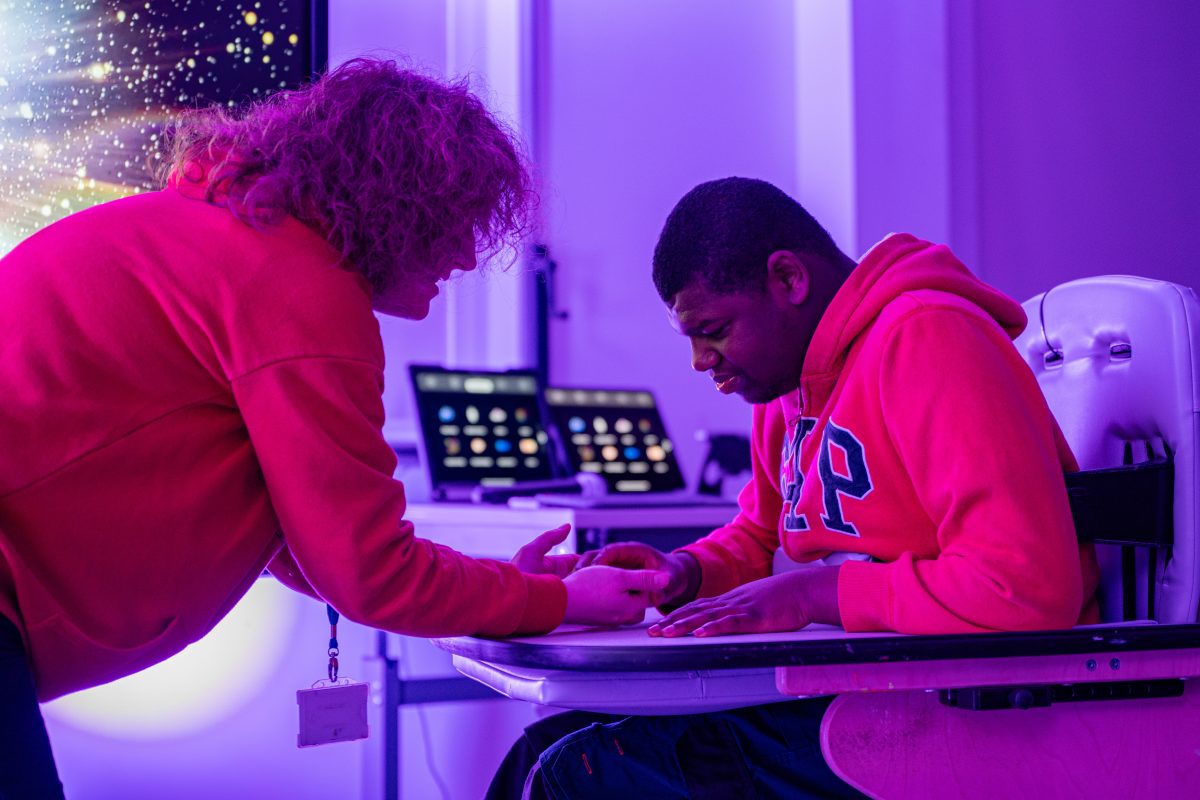
Sensory Communication: From Breath to Word
Technology can give pupils a voice at every stage of development, from early cause-and-effect understanding to expressive communication. Lee Blemings explores how sensory interaction helps learners connect, participate and share meaning, turning classrooms into spaces where everyone can be heard.
Communication begins long before words. It starts with breath, with movement, with sound, the subtle signals that connect us to others. Over the years, I have seen how technology can amplify those first connections and turn them into meaningful interactions, even for individuals who cannot speak or move in traditional ways. I think of this as sensory communication, using technology to transform any form of input, whether it is a breath, a vocalisation, a gesture or a look, into shared, expressive experiences.
The beauty of modern assistive
Technology is its flexibility
Every input has meaning
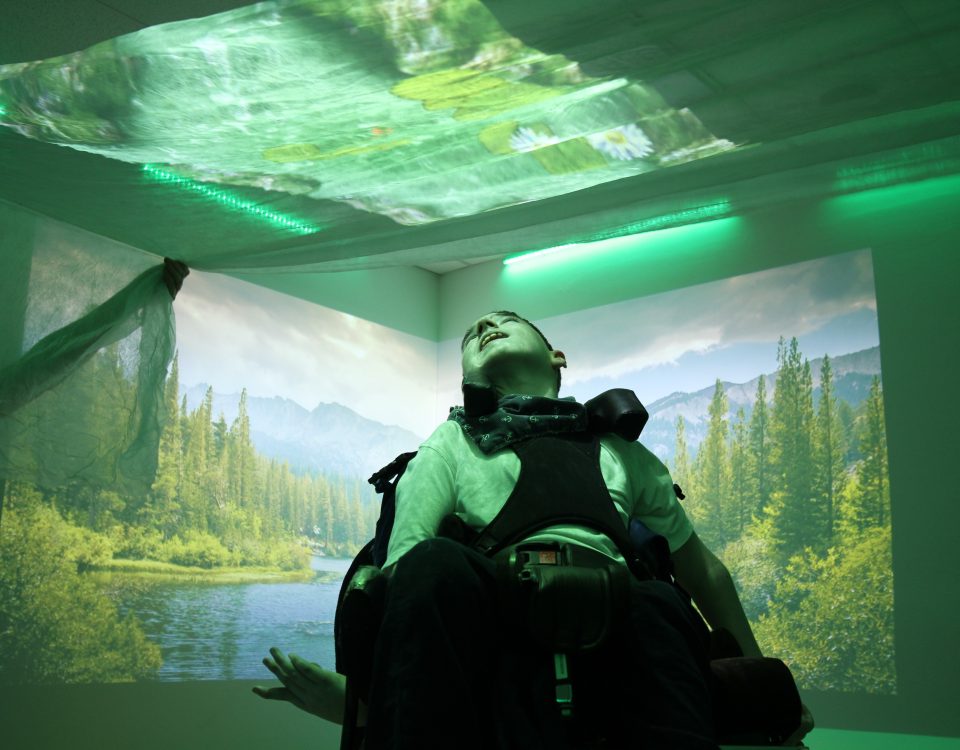
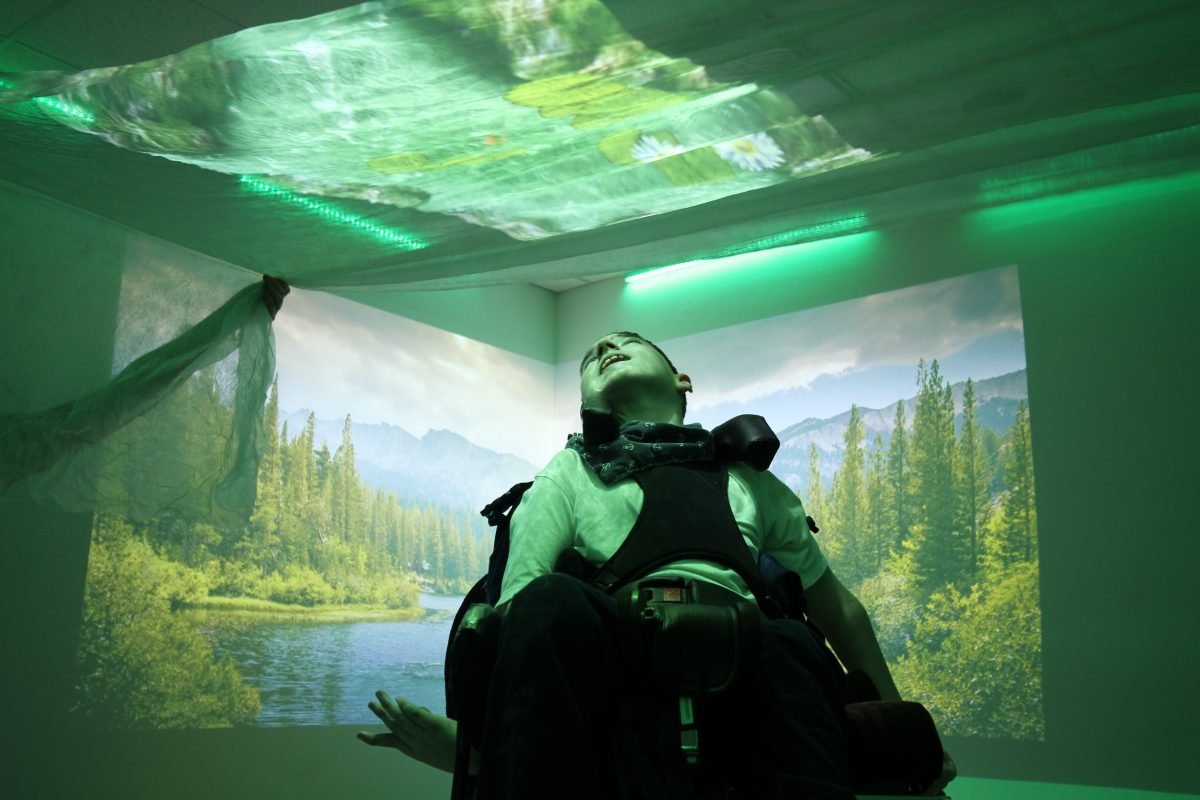
Too often, we focus on what a pupil cannot do. When we start from what they can do, possibilities open up. A single switch press can trigger an image. A gaze can start a story. A breath can bring light to life.
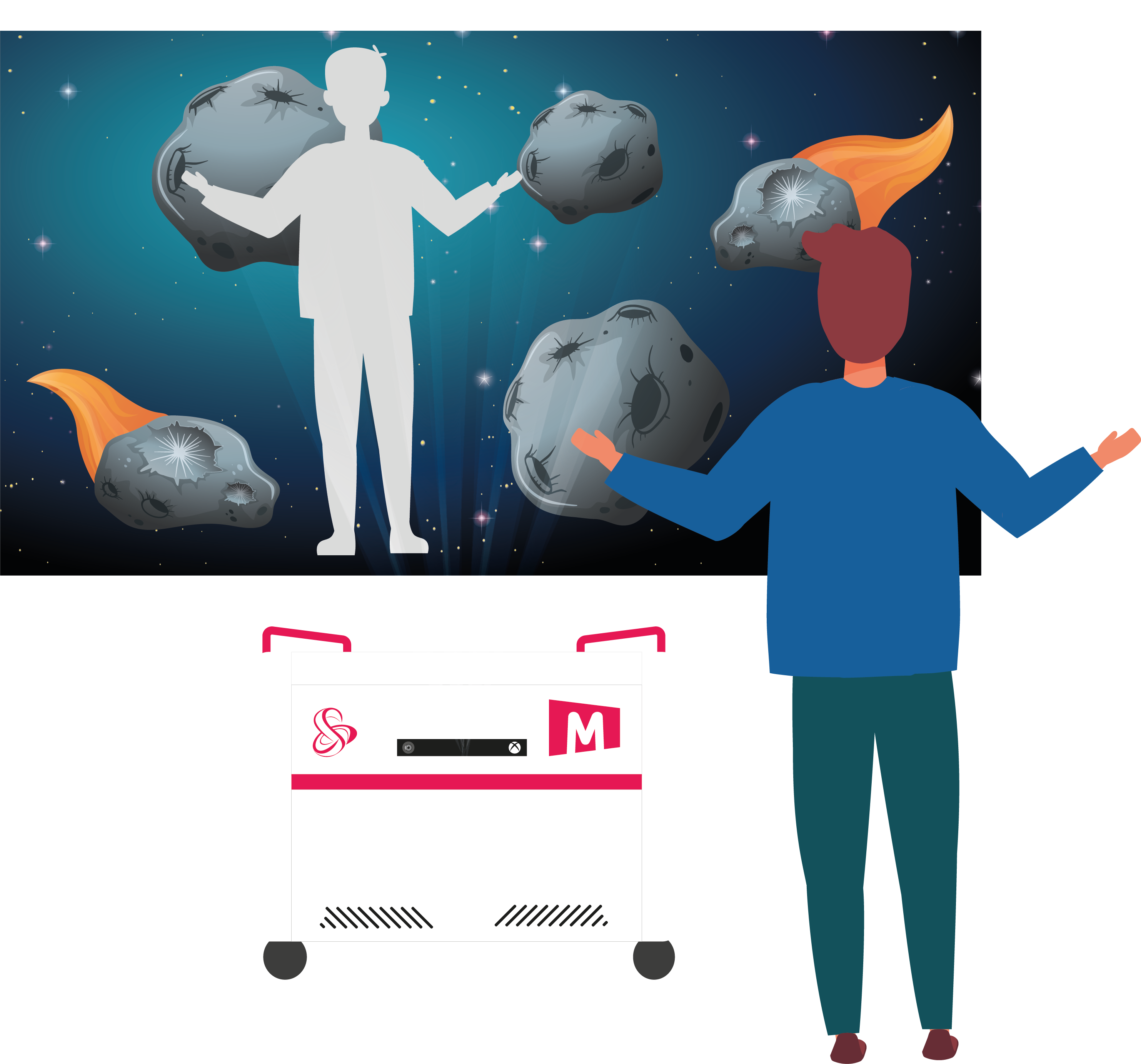
These experiences are powerful not because they rely on technology, but because they reveal potential, a spark of agency that says I can make something happen. Once that connection is made, the learning journey can begin. Cause and effect become communication. A shared visual or sound becomes a social exchange. The room itself becomes a partner in dialogue.
Group learning and shared expression
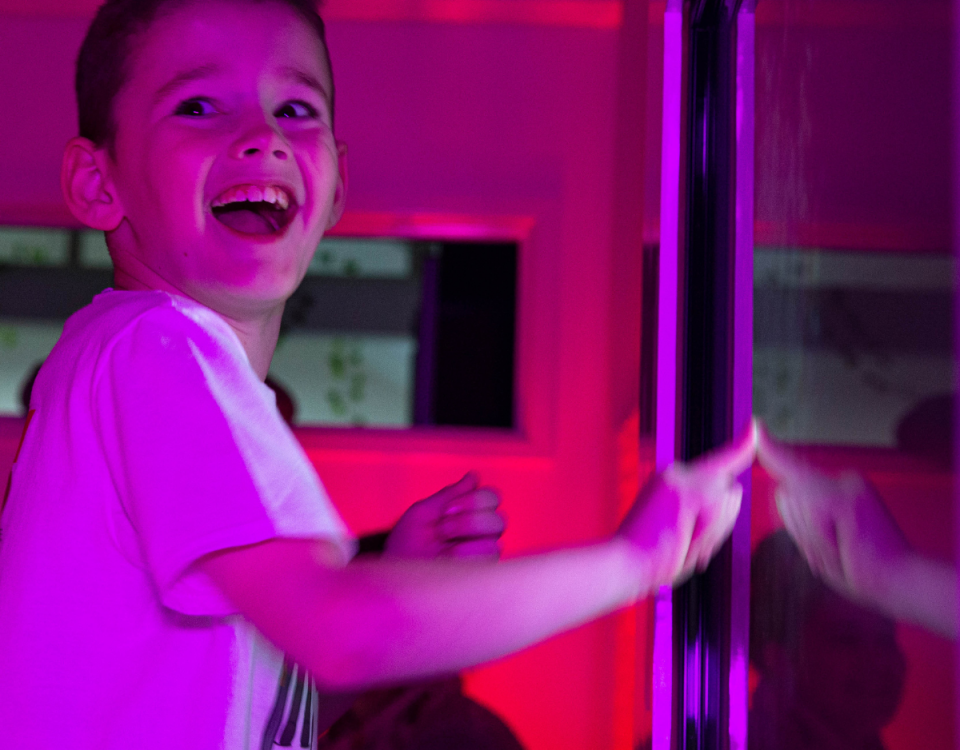
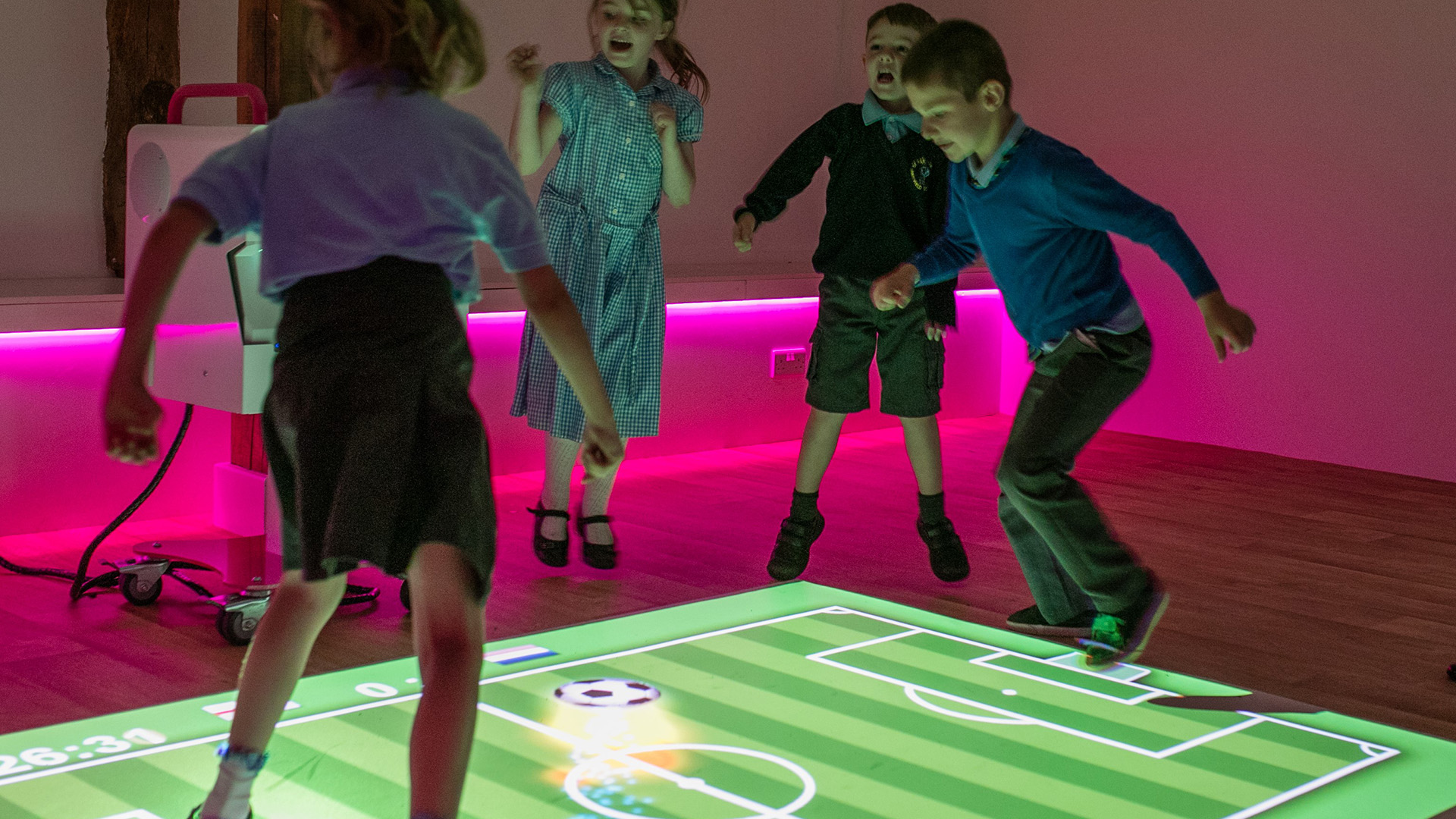
Sensory communication does not have to be solitary. In fact, it can be wonderfully social. When every pupil has a way to contribute, whether through a switch, a tap, a sound or a word, the classroom becomes a shared stage.
I have seen lessons where a group collectively builds a story: one pupil triggers an image, another adds sound, another speaks a line that changes the lighting or atmosphere. The technology fades into the background, leaving only real, creative, and human communication.
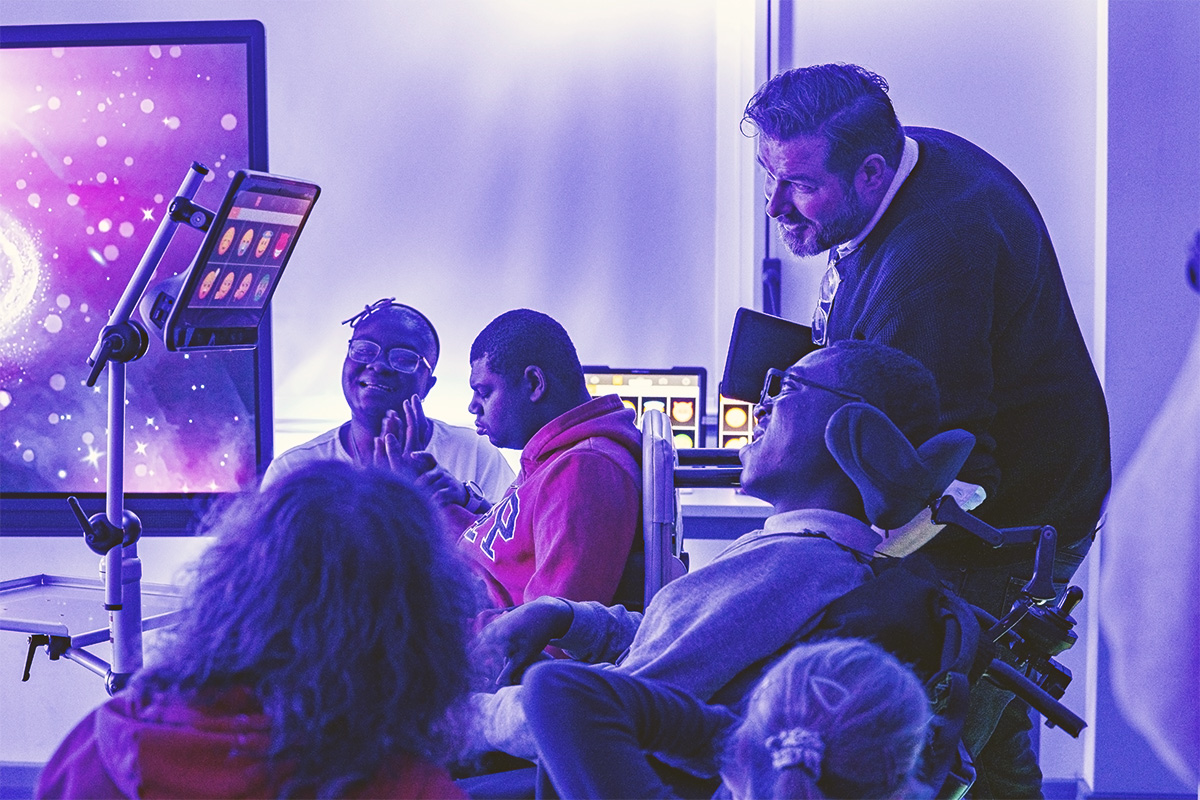
A gaze, a gesture or a breath, sensory communication makes every input meaningful.
Bridging assistive technology and learning
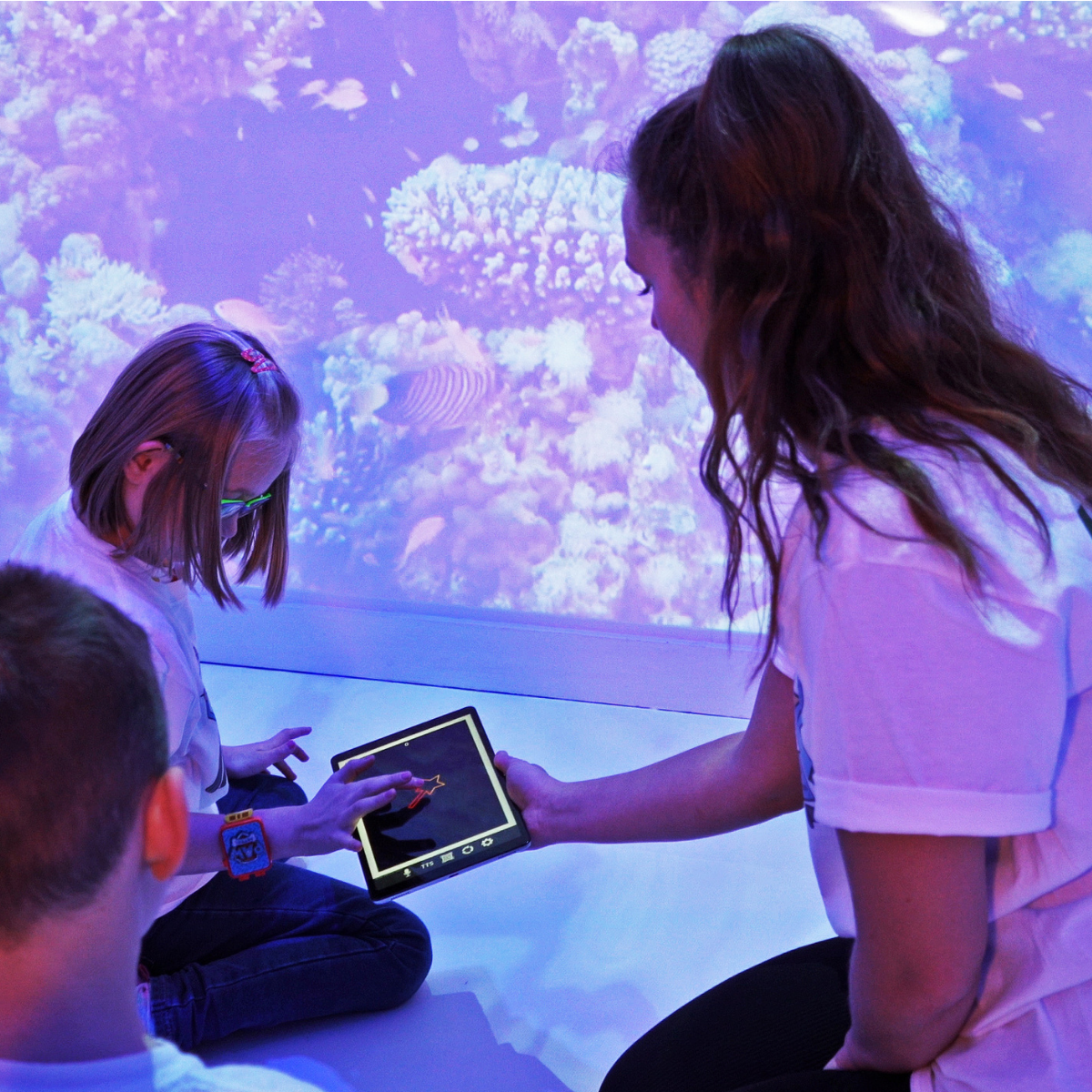
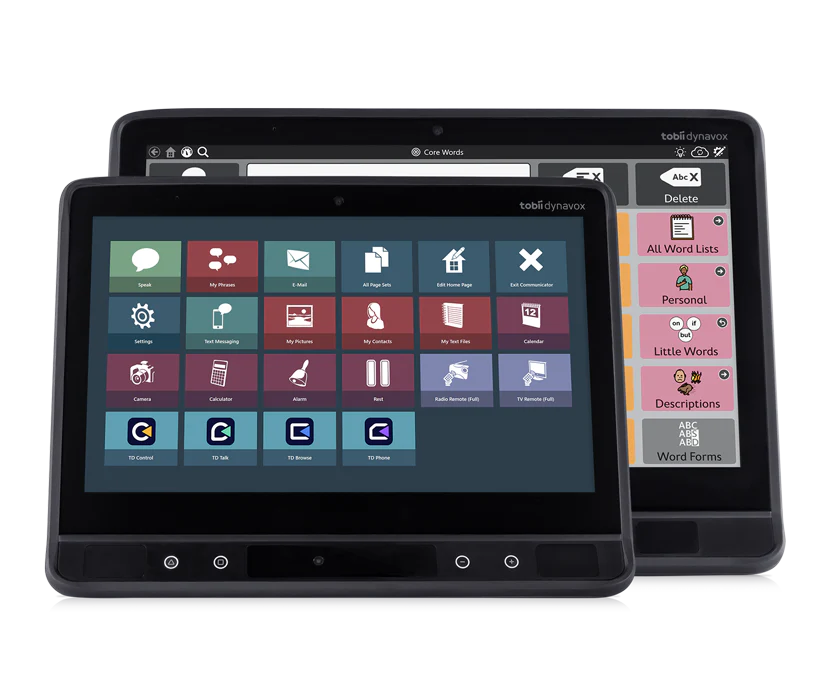
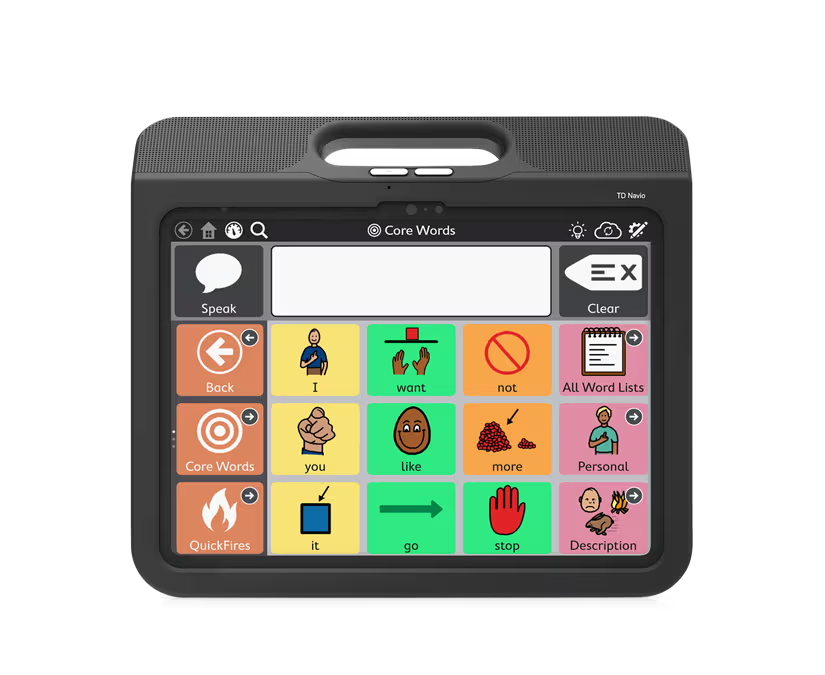
The beauty of modern assistive technology is its flexibility. Eye tracking, touch, voice, gesture and text can all feed into the same sensory experience. This brings together pupils with different access needs under one learning goal.
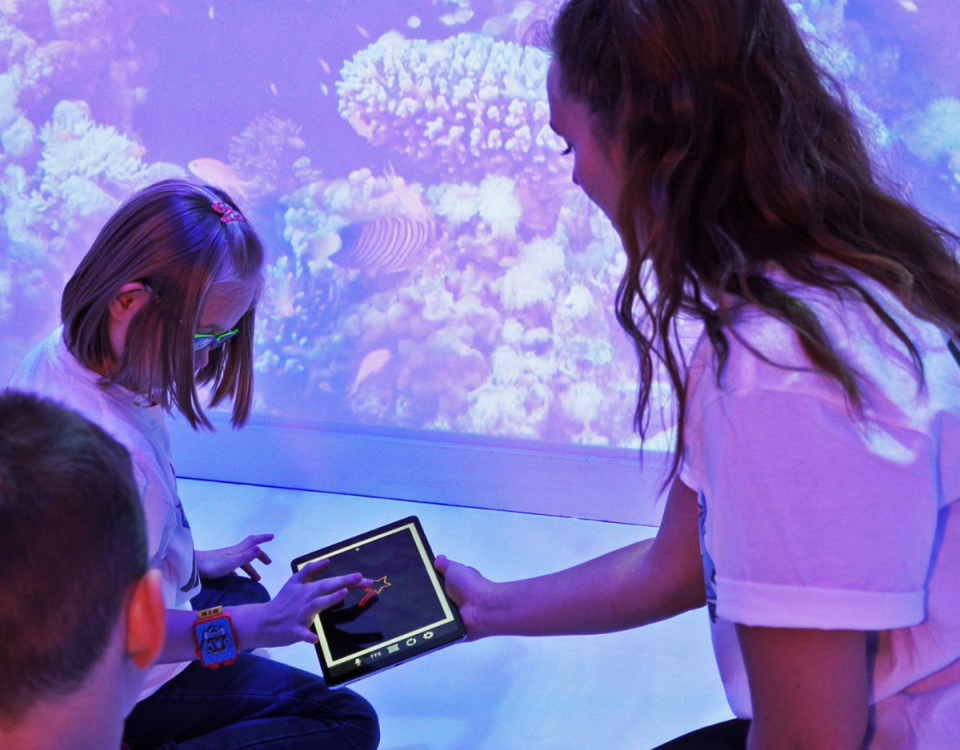
Teachers can design shared activities where expressive vocabulary becomes visible and audible. Pupils can see their words projected, hear their ideas in sound and watch the environment respond. This sensory reinforcement builds understanding and motivation. When communication creates impact, communication becomes rewarding.
Why it matters
In inclusive classrooms, sensory communication acts as a bridge between access and understanding. It invites participation on every level and transforms how we perceive ability. When a breath can start a story or a sound can make a colour dance, every child has a voice.
That is what education should be, a process of revealing, not restricting. Technology, when used with creativity and care, allows us to hear the voices we might otherwise miss, and that changes everything.